June 25, 2026
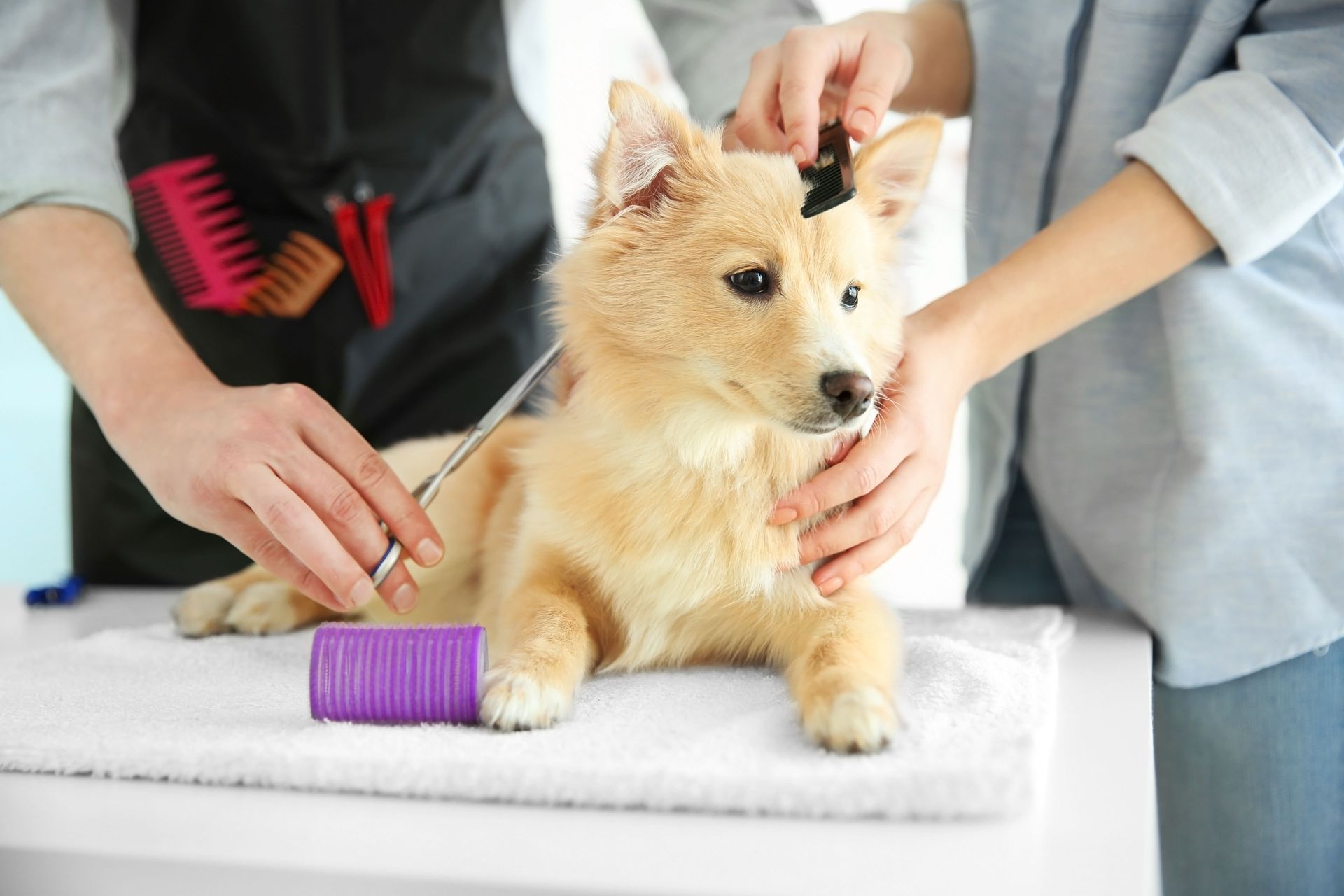
The significance of routine pet grooming extends far beyond aesthetic improvements. Regular grooming plays a crucial role in maintaining a pet's overall health and hygiene, acting as a first line of defense against a multitude of hygiene-related issues. By investing time in habitual grooming, pet owners can prevent skin infections, control parasites, maintain dental hygiene, support hair and coat health, care for nails and paws, and experience the behavioral benefits of well-groomed pets.
While it may simply seem like a vanity task, grooming influences a pet's physical and mental well-being. With approximately 69 million households in the U.S. owning at least one dog, according to the Puppy Growth Calculator, understanding the importance of grooming can positively impact the health of many pets nationwide. Here, we'll explore various hygiene issues prevented by regular grooming and underscore the value this regular maintenance holds for our beloved pets.
1. Skin Infections
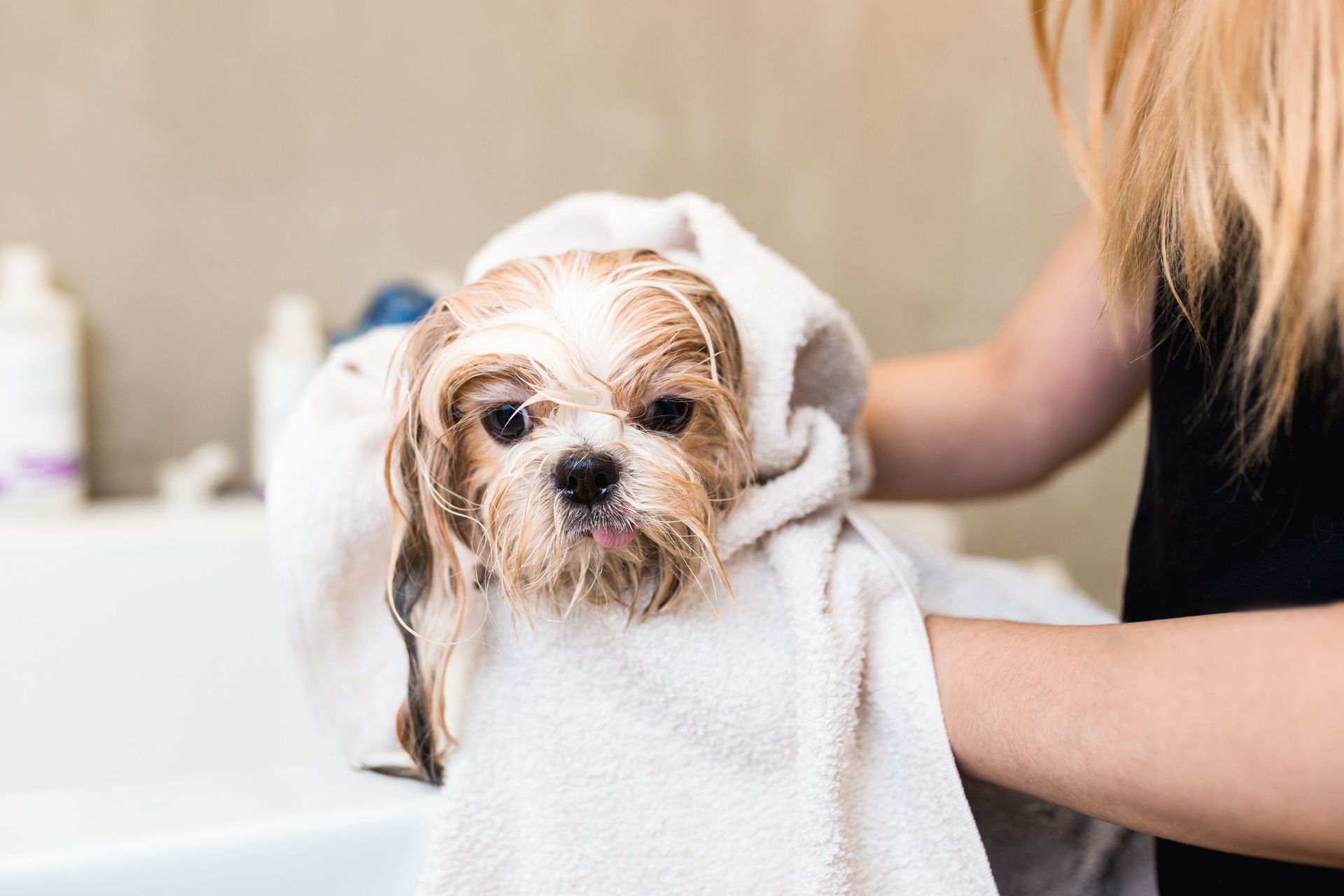
Regular bathing is essential for removing dirt, allergens, and bacteria that accumulate on a pet's skin. Bathing schedules will vary based on the pet's breed, coat type, and lifestyle, but it is crucial to maintain a balance to avoid drying out the skin while keeping it clean. A well-bathed pet is less likely to suffer from skin irritations or infections caused by accumulated substances. Additionally, regular bathing allows for closer inspection of the skin, enabling pet owners to notice any abnormalities or changes promptly. This preventive measure aids in maintaining the overall health and cleanliness of the pet's skin.
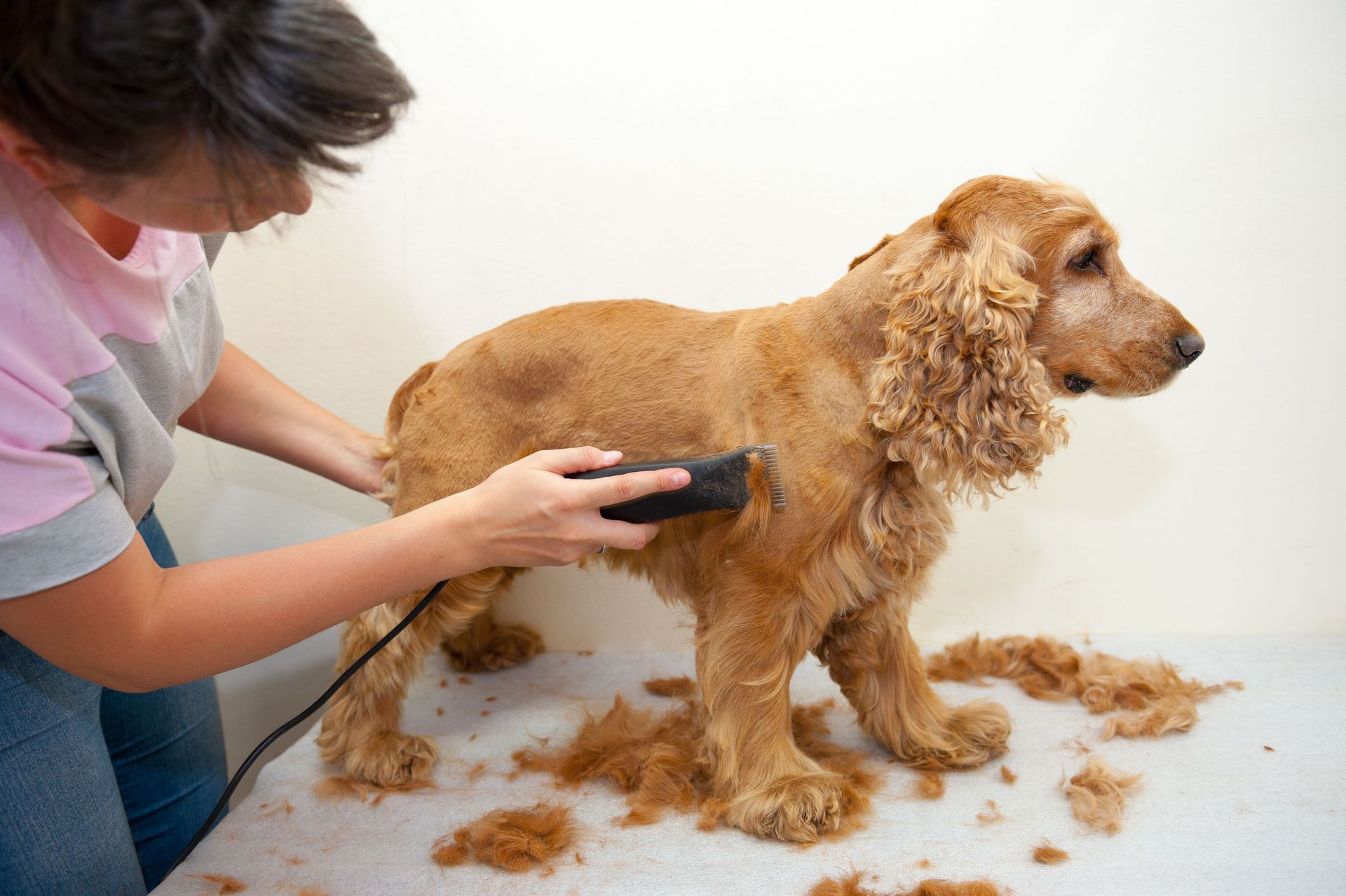
Brushing is another crucial practice that helps eliminate dead hair and dirt from the coat, preventing matting. Matting can trap moisture and debris, creating an environment ripe for infection. By removing dead hair and detangling the coat, brushing promotes better air circulation to the skin. Moreover, it distributes natural oils produced by the skin, contributing to a healthy and shiny coat. Regular grooming sessions involving brushing can significantly reduce the risk of painful mats and related skin problems.
Grooming sessions provide the ideal time for direct inspection of your pet's skin for lumps, bumps, or signs of infection. Discovering such issues early can facilitate timely veterinary intervention and prevent complications. Additionally, the use of moisturizing shampoos and conditioners can keep the skin hydrated, reducing itchiness and dryness. These products form a protective barrier on the skin, enhancing its resilience against infections. Regular ear cleaning is also crucial as it prevents wax and debris buildup, reducing the likelihood of ear infections.
2. Parasites
Routine grooming allows pet owners to conduct vital flea and tick checks. These parasites can cause irritation and more severe health issues if left untreated, making their early detection imperative. Grooming enables owners to spot these pests early, reducing the chance of an infestation becoming severe. The grooming process itself, which involves careful checking and cleansing, can remove and deter fleas and ticks naturally. Therefore, systematic grooming serves as an effective frontline defense against parasite infestations.
Cleanliness achieved through regular grooming reduces environments conducive to parasite habitation. Maintaining a clean coat and skin prevents parasites from thriving and reproducing. Furthermore, parasite-repellent shampoos are a proactive approach that targets fleas and ticks directly with pet-safe ingredients. These specialized shampoos not only cleanse but also create a barrier against possible infestations. As part of a comprehensive grooming routine, such treatments offer a sustainable method for controlling parasites.
Sustained cleanliness in grooming extends to the pet’s environment, necessitating the regular cleaning of bedding and accessories. Parasites often seek refuge in these areas, thus cleaning them complements efforts taken during grooming. Bedding and frequently used pet items should be washed regularly to eradicate any parasites or eggs. Such diligent practices, along with routine grooming, break the life cycle of parasites, contributing to a healthier life for pets. Through these combined efforts, owners can safeguard their pets from uncomfortable and potentially harmful infestations.
3. Dental Hygiene
Dental care is a crucial aspect of pet grooming, with regular teeth brushing being fundamental to preventing plaque and tartar buildup. If neglected, dental issues can lead to severe health problems, including infections and tooth decay. Grooming routines should integrate dental care by introducing age-appropriate toothbrushes and safe toothpaste. Consistency in this practice helps maintain not only oral health but also ensures the pet's breath remains fresh. Routine dental care as part of grooming prevents debilitating dental diseases and promotes general wellness.
Incorporating dental treats into a pet's diet can further aid in maintaining oral hygiene. These treats often contain ingredients specifically designed to clean teeth and refresh breath while also being an enjoyable reward for the pet. In conjunction with brushing, dental treats act as an auxiliary form of dental care. They can reduce plaque formation and stimulate gums through mechanical action during chewing. Regularly offering appropriately sized dental treats contributes to an inclusive grooming routine aimed at comprehensive dental hygiene.
4. Hair and Coat Health
Understanding the nuances of hair and coat health through regular grooming directly addresses issues like excessive shedding. Facilitating the removal of loose hairs through consistent grooming keeps the coat manageable and reduces hair accumulation in the household. Regular grooming also aids in the proper management of shedding cycles, which can be particularly heavy during seasonal changes. By employing specific grooming tools such as deshedding brushes, pet owners can minimize shedding efficiently. This aspect of grooming not only maintains the pet's coat but also improves household cleanliness.
Mat prevention is another vital component of routine grooming that ensures hair does not form clumps that can pull on the skin. Mats can cause irritation, pain, and potential infection if left unattended for extended periods. Consistent grooming keeps fur free from obstructions, reducing the likelihood of mat development. By maintaining a regular schedule, pet owners can effectively address matting issues specific to their pet's breed and hair type. Mat prevention supports overall skin health and enhances a pet's comfort.
5. Nail and Paw Care
Nail trimming is an essential grooming practice that prevents discomfort and potential injury to both the pet and its environment. Overgrown nails can lead to difficulty in walking and pose the risk of painful breaks or splits. Regular trimming maintains appropriate nail length, reducing these risks and ensuring the pet's comfort. This aspect of grooming also prevents nails from curving into the paw pads, which can cause significant pain or infection if untreated. Hence, careful nail trimming is key to sustaining mobility and preventing health complications related to overgrown nails.
Thorough grooming routines include inspecting paws for signs of injury or infection. Paws are subject to various ground conditions, increasing the likelihood of cuts, bruises, or foreign bodies becoming lodged in them. Regular grooming allows owners to clean and inspect paws, addressing any discovered issues swiftly. Pad moisturizing is another grooming activity that prevents cracking and protects the sensitive skin of the paw pads. This attention to detail ensures paws remain healthy and resilient against environmental challenges.
Routine pet grooming is an essential practice that addresses a wide array of hygiene issues, each contributing remarkably to a pet's comprehensive well-being. Beyond the visible improvements, regular grooming acts as a preventive measure against health complications, ranging from skin infections to dental problems. It fosters an environment of cleanliness, reducing the risk of parasite infestations and ensuring immaculate paw and nail health. Additionally, grooming promotes a harmonious relationship between pets and their owners, enhancing bonds through care and trust.
For households across the United States, investing in consistent
grooming practices can lead to healthier, happier pets. The immense benefits offered by regular grooming justify the time and resources dedicated to this practice. By prioritizing grooming, pet owners contribute positively to their pet's physical health and emotional stability. Contact Barker's Mobile Pet Grooming today for more information.